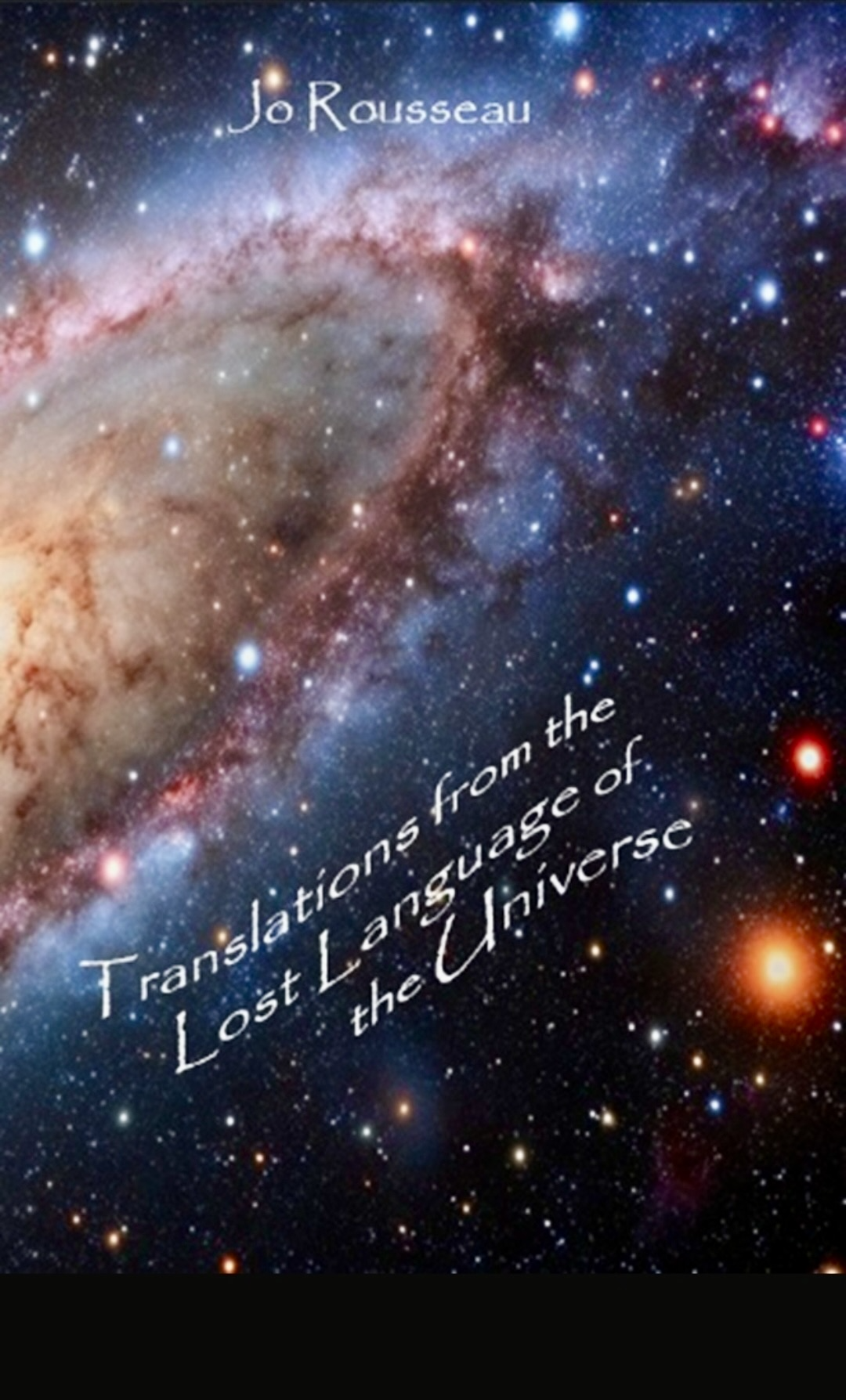
Translations from the Lost Languate of the Universe

We are all made of the energy of the Universe and that energy speaks.  It whispers and hums.  It vibrates.  It speaks in the tongues of everyone who has ever existed on this planet or any other. The Universe holds every eternal voice, a wave never extinguished.   The voices of the dead are carried across the Universe riding on Stardust and the voices are impatient to speak, to enter again into human discourse.

Translations from the Lost Language of the Universe is a collection of stories that I’ve pulled down from the Universe.  They brush up against Magic Realism, gently caress science fiction, but primarily are just my storytelling as I caught bits of chatter from the Universe.  They reflect the mysteries of the time we live in, a time when fake news is common, robots serve us in restaurants and drive our cars, and Artificial Intelligence is a factor in every transaction. These are stories of other dimensions, other times, and they carry with them their own unique truth.

The first story in this collection is “The Spirit Writer.” Gary sits in his ex-wife’s coffee shop, Grounds for Divorce, and writes a World War II agent into existence.  The more Gary’s novel develops the more he realizes he must return to his previous life to settle an old score.  Redemption is a recurring theme in these stories.  Salvation.  Making amends.  While Gary may not deserve punishment for a life lived in the past, Yuji has reason to try to atone for recent misdeeds.   “The Tale of Yuji” follows the story of a young man railroaded into leaving his comfortable California life to tend the family’s ancestral shrine in the distant and lonely mountains of Japan.  It is not uncommon for awakening to follow close on the heels of disaster and Yuji experiences both as he reclaims his Japanese identity, heritage, and obligations.  

I hope you will find insight and humor in these six stories.  Enjoy!
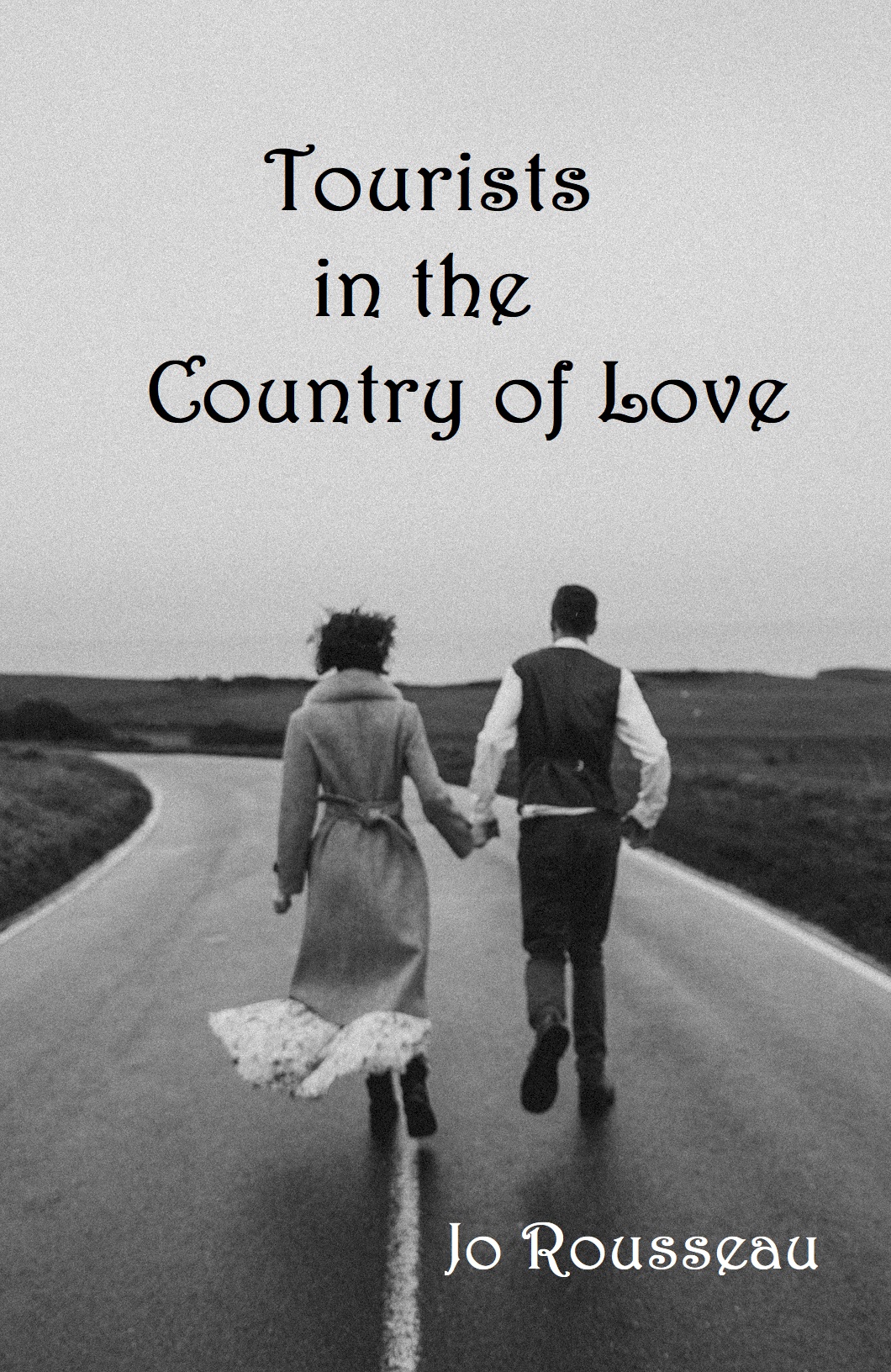
Kirkus Review: Tourists in the Country of Love

Thirteen stories plumb the depths of love, loss, choices, and connection.

Rousseau’s touching, dynamic collection of tales opens with the longest offering, “Reading to my Mother.” In this novella-length story, a daughter’s emotional devotion is stretched to its limit as she reads “elegant literary pornography” to her mother on her deathbed while a troubled, estranged sibling returns to make amends. When the siblings’ father unexpectedly dies, the family becomes united in grief. Much akin to the author’s debut collection, Inside Stories (2015), what’s contained here are tales associated with life’s unpredictability and bound by both hard and soft circumstances and human kindness. “Statues in a Blue Garden” explores how a Parisian woman reacts when the long-lost beau who abandoned her decades prior unexpectedly returns. Though she still secretly carries a passionate torch for him, she must measure this first love against the comfortable, privileged one that swept her away to a lush life in Paris. Driving to a penitentiary to marry her imprisoned felon boyfriend, the bride-to-be in the lively, vivid “Johnsonville” bonds and lets loose naturally with her future sister-in-law. Rousseau is particularly skilled at getting to the heart of a story and its characters’motivations quickly and without distracting exposition. Just a few paragraphs in to “Aunt Tilly’s Cure for Heartbreak,” readers will already be familiar with the mistress awkwardly seated at the back of a funeral home where her lover, the husband of a friend, is laid to rest. The preservation of books (“They’re our hedge against forgetting,” as one character notes) hangs in the balance in “The Book Finder,” in which a woman must battle a futuristic faction bent on torching all forms of physical literature in favor of digitized cloud space. Also memorable are the fascism survey exposing the true nature of a boss and his calculating subordinate in “Maurissa takes the F-Scale” and the gun-obsessed speed-dater in “Love’s Actuary” who assesses his life and those of potential partners in “micromorts.” Collectively, Rousseau’s tales are grounded by levels of love and humanity, and they all ask a pertinent question about the sustainability of life, the meaning of attraction, or the consequences of people’s actions. Many of the author’s characters discover that the truth (and being honest) is not always the most convenient remedy, but the intimate connections they’ve constructed can move mountains.

Moving and often heart-wrenching tales drawn from the poignant depths of the human experience.

Coming January 2021

Coming January 2021


Love. Awful, confusing, wonderful love! This is a book of short stories that captures the trials and tribulations of love and the infinite ways it goes wrong.

This is my second book of short stories. My first was Inside Stories and is still available on Amazon.


Vroman’s

20151217_085726.png

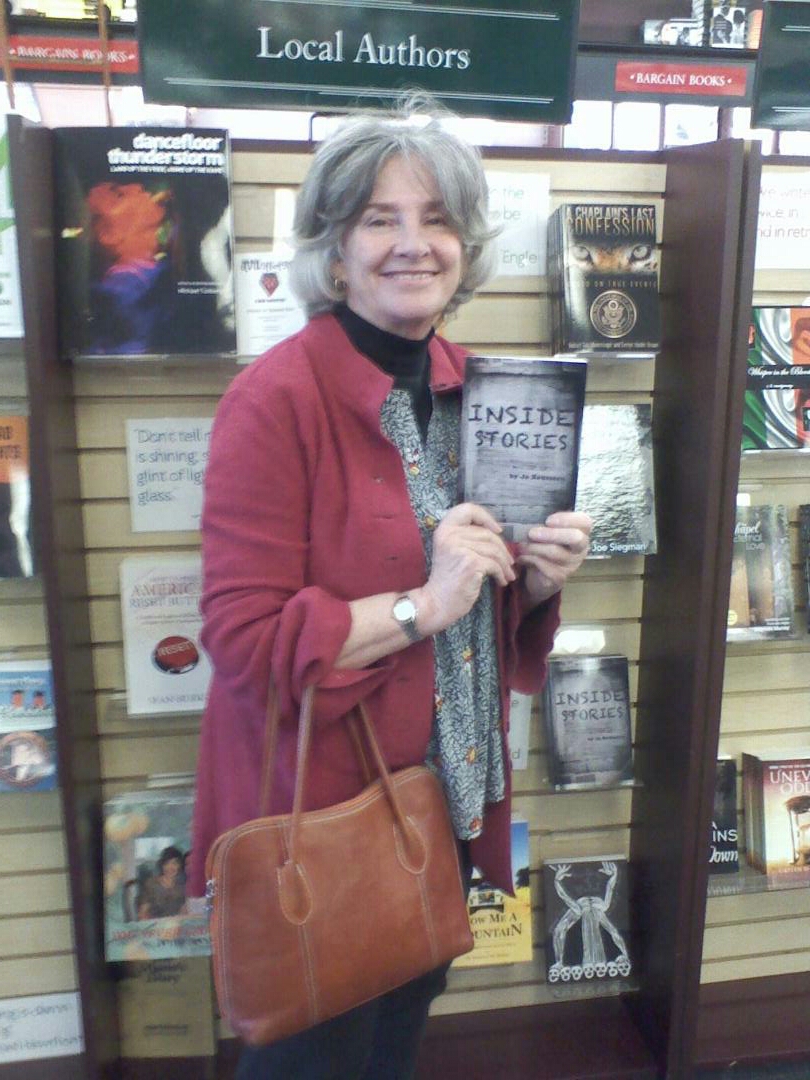
This is me in Vroman’s Bookstore in Pasadena.  What a great place!  I’m holding a copy of my book but you see it there on the shelf a little below the one I’m holding.  The section, you can see over my head, is Local Authors.

Cinquain

The poem on the poetry page is a cinquain that I wrote about the assassination of Jean-Paul Marat by Charlotte Corday during the French Revolution.  A cinquain can be a number of things: in this case, it’s a five line stanza, the first line is two syllables, then four, six, eight, and two syllables.

Was Albert Einstein right?

Albert Einstein famously said :

“Imagination is more important than knowledge. For knowledge is limited to all we now know and understand, while imagination embraces the entire world, and all there ever will be to know and understand.”

I think he’s right, but we should understand that imagination, for all practical purposes, must spring from a foundation of knowledge.  A doctor is a better doctor if he’s imaginative and can transcend his knowledge.  The same is true of any task: we need a foundation of knowledge and then we must apply imagination or we can not go forward.  Knowledge is always the past but imagination is the future.